
Understanding the Impact of Dubai's Climate on Interior Design Choices
MI
Understanding Dubai's Unique Climate
Dubai's climate is characterized by extreme temperatures, high humidity, and minimal rainfall. These conditions have a significant impact on the choices made in interior design. As a city where temperatures can soar above 40°C (104°F) during summer, the importance of designing homes that stay cool and comfortable is paramount.
One of the primary challenges is managing heat. Interiors must be equipped with materials and designs that effectively combat the intense heat. This includes the use of heat-resistant materials and effective insulation to maintain a comfortable indoor environment.

Materials and Textures
In response to the climate, the choice of materials plays a crucial role in interior design. Natural stone and ceramic tiles are popular due to their ability to stay cool underfoot. These materials not only help regulate temperature but also add a touch of luxury to the interiors.
Additionally, lightweight fabrics such as linen and cotton are preferred for upholstery and curtains. These materials allow for better air circulation, contributing to a cooler indoor atmosphere. Designers often opt for light-colored fabrics to reflect rather than absorb heat.
Furniture Selection
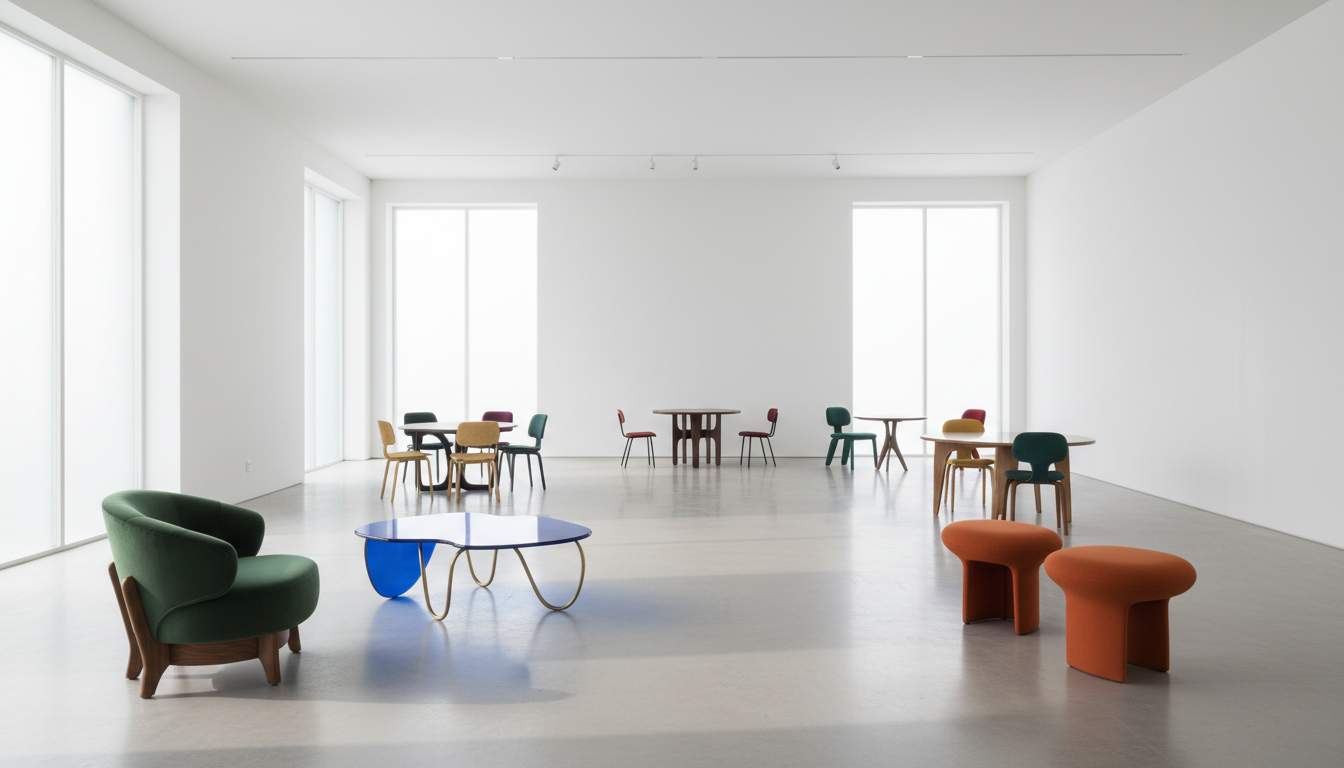
Furniture in Dubai homes is chosen with the climate in mind. Pieces that are functional yet stylish are favored. Furniture with built-in ventilation or made from breathable materials can significantly enhance comfort levels. Moreover, modular furniture offers flexibility, allowing spaces to be easily reconfigured to optimize airflow.
Color Schemes and Lighting
Color choices in interior design are influenced by the need to keep spaces cool and inviting. Neutral and pastel shades are common, as they reflect sunlight and help maintain a cooler environment. Bold colors are used sparingly to add vibrancy without overwhelming the space.
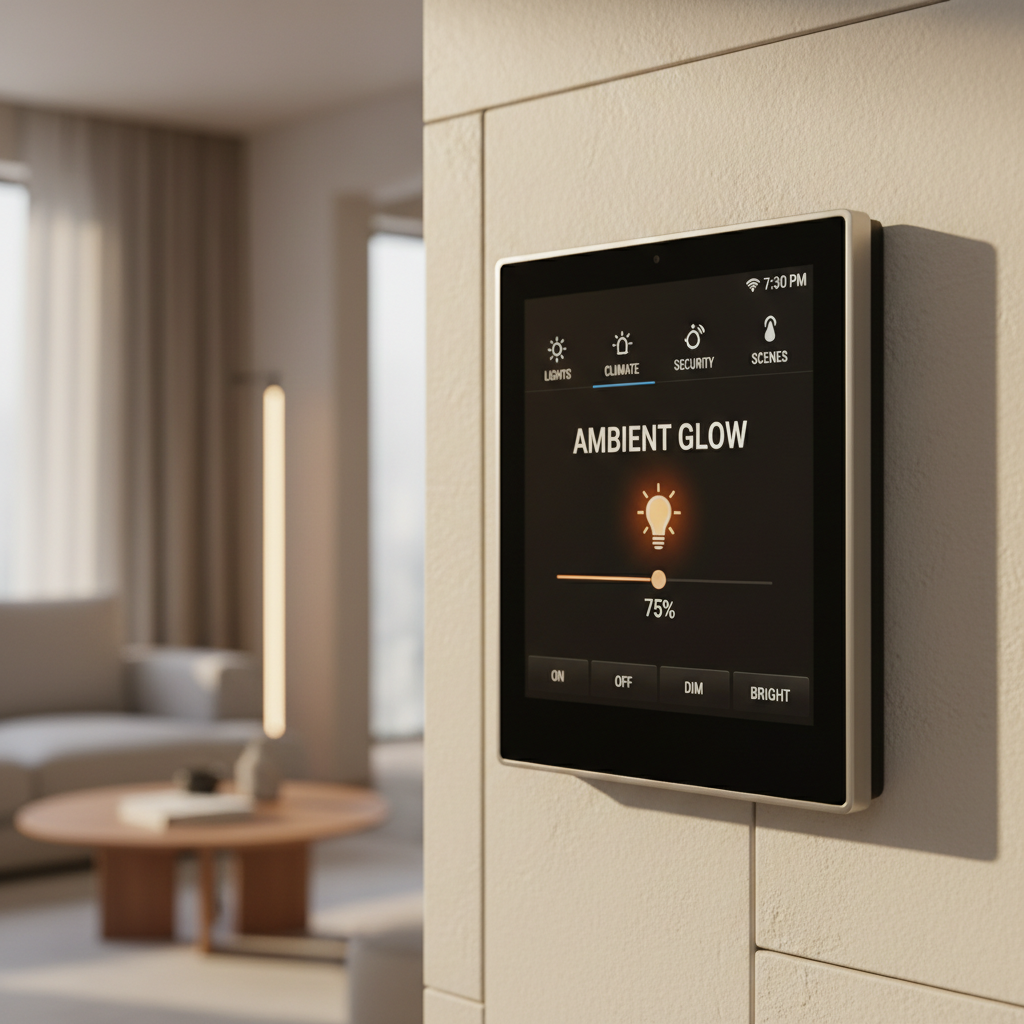
Lighting is another crucial aspect. In Dubai, energy-efficient LED lights are preferred, as they emit less heat compared to traditional bulbs. Additionally, smart lighting solutions allow residents to adjust brightness and colors to enhance the ambiance while minimizing heat emission.
Incorporating Technology
Technology plays a significant role in mitigating the effects of Dubai's climate on interiors. Smart home systems that control temperature, lighting, and humidity are increasingly popular. These systems allow residents to create optimal living conditions with minimal effort.
Moreover, the use of advanced glazing solutions for windows helps in reducing heat gain while allowing natural light to illuminate the interiors. This not only enhances energy efficiency but also ensures a comfortable living environment.
Sustainable Design Practices
Sustainability is becoming a cornerstone of interior design in Dubai. Designers are increasingly incorporating eco-friendly materials and practices to create homes that are not only beautiful but also environmentally responsible. This includes the use of recycled materials, energy-efficient appliances, and water-saving fixtures.
In conclusion, the climate in Dubai significantly influences interior design choices. By carefully selecting materials, colors, and technologies, designers create spaces that are both aesthetically pleasing and comfortable, ensuring that homes remain a sanctuary from the harsh external environment.