
Understanding Interior Design Regulations in Dubai
MI
When embarking on an interior design project in Dubai, understanding the local regulations is crucial. The city's unique blend of tradition and modernity is reflected in its interior design rules, which aim to maintain aesthetic harmony and ensure safety. Whether you're a homeowner or a professional designer, being well-informed about these regulations can save time and resources.
Licensing and Permits
In Dubai, all interior design projects require specific licenses and permits. This process ensures that all design work complies with the city's building codes and safety standards. Designers must obtain a trade license from the Department of Economic Development (DED) before commencing any project. It's important to note that working without the proper licensing can result in hefty fines.
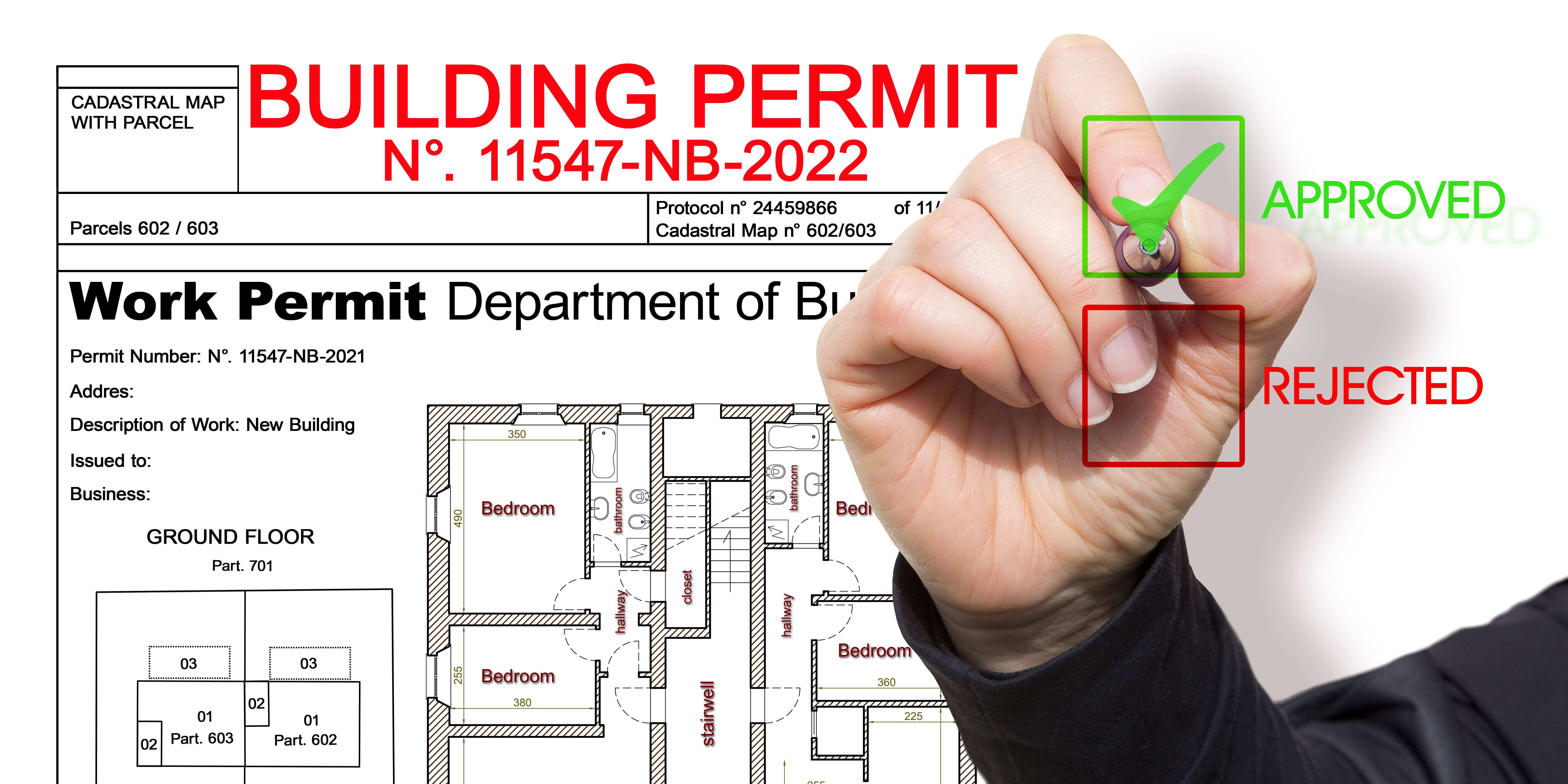
The permitting process involves submitting detailed design plans to the Dubai Municipality for approval. These plans should include architectural drawings, material specifications, and safety measures. The municipality reviews these to ensure compliance with local regulations.
Types of Permits
There are several types of permits required, depending on the nature of the project:
- Building Permit: Essential for any structural modifications.
- Fit-Out Permit: Required for interior alterations without structural changes.
- Completion Certificate: Issued upon project completion after inspection.
Design Compliance
Design compliance is another critical aspect of interior design in Dubai. The city's regulations emphasize sustainability, safety, and cultural sensitivity. Designers need to incorporate environmentally friendly practices, ensuring energy efficiency and minimal waste.
Safety standards are particularly stringent, with regulations covering fire safety, electrical installations, and accessibility. Adhering to these standards is not only a legal requirement but also a commitment to client safety and well-being.
Cultural Considerations
Dubai's rich cultural heritage influences its interior design regulations. Projects must respect local customs and traditions, which often means incorporating elements of Islamic design. This could include the use of geometric patterns, arches, and specific color palettes that reflect the region's cultural identity.

Working with Professionals
Given the complexity of Dubai's interior design regulations, collaborating with experienced professionals is advisable. Architects, contractors, and interior designers familiar with local laws can navigate the regulatory landscape more efficiently, ensuring that projects are completed on time and within budget.
Professional guidance can also help in selecting materials and designs that meet regulatory standards while achieving the desired aesthetic. This partnership fosters creativity within the framework of compliance, leading to successful and inspiring design projects.
Conclusion
Understanding and adhering to interior design regulations in Dubai is essential for the success of any project. By securing the necessary licenses, ensuring design compliance, and respecting cultural considerations, designers can create beautiful, functional spaces that meet both client expectations and legal requirements.
Staying informed and working with knowledgeable professionals will not only streamline the design process but also contribute to the vibrant and dynamic architectural landscape of Dubai.