
Sustainable Interior Design: Eco-Friendly Choices for Dubai Homes
MI
Understanding Sustainable Interior Design
In recent years, sustainable interior design has become increasingly popular, especially in cities like Dubai that are known for their luxury and innovation. This approach focuses on creating beautiful, functional spaces while minimizing environmental impact. By incorporating eco-friendly materials and practices, homeowners can enjoy stylish interiors that contribute positively to the planet.
Sustainable interior design is not just about aesthetics; it's about making conscious choices that benefit both the environment and the occupants of a home. This involves selecting materials with low environmental impact, reducing waste, and improving energy efficiency.
Eco-Friendly Materials
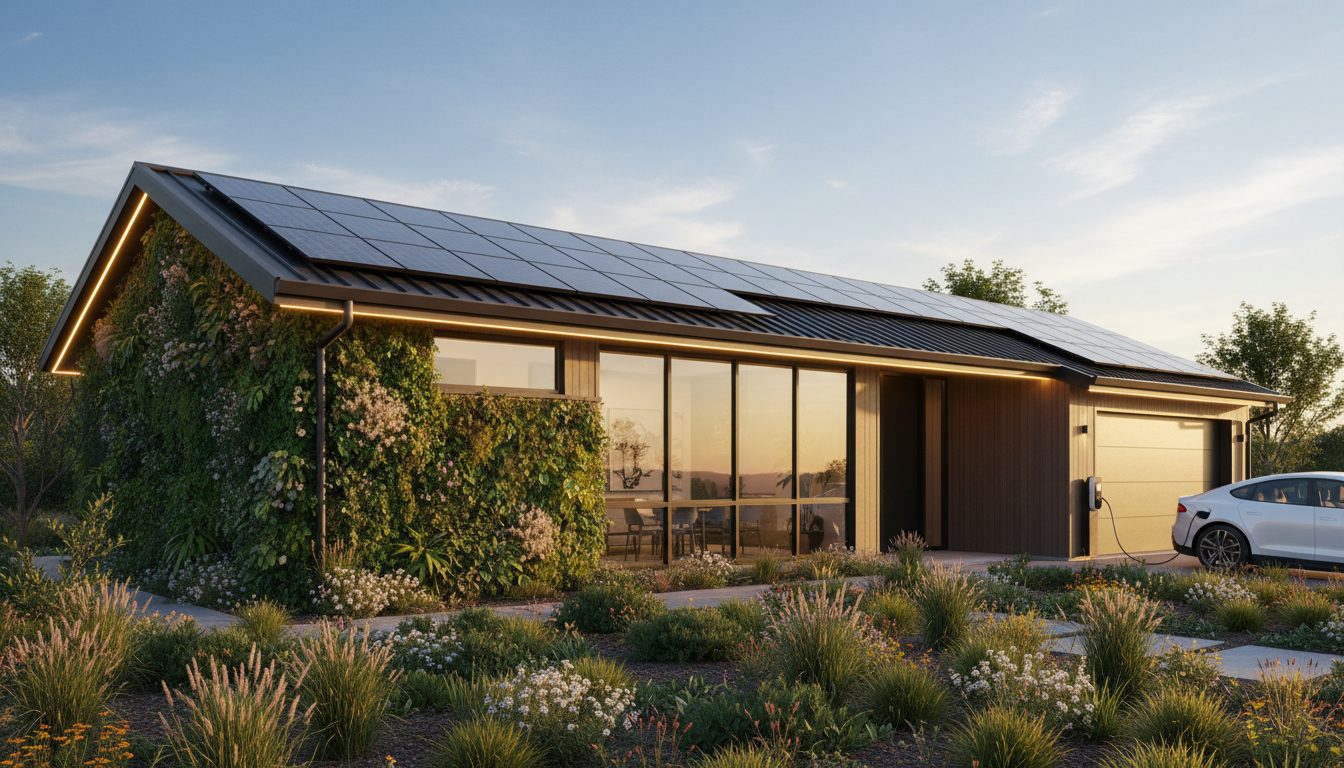
The foundation of sustainable design lies in the materials used. Opting for materials such as bamboo, reclaimed wood, and recycled metal can significantly reduce the carbon footprint of a home. These materials are not only sustainable but also durable and aesthetically pleasing, offering a unique charm to any interior.
Another excellent choice is natural stone, which requires minimal processing. Additionally, using low-VOC (volatile organic compounds) paints and finishes can improve indoor air quality, contributing to a healthier living environment.

Energy Efficiency
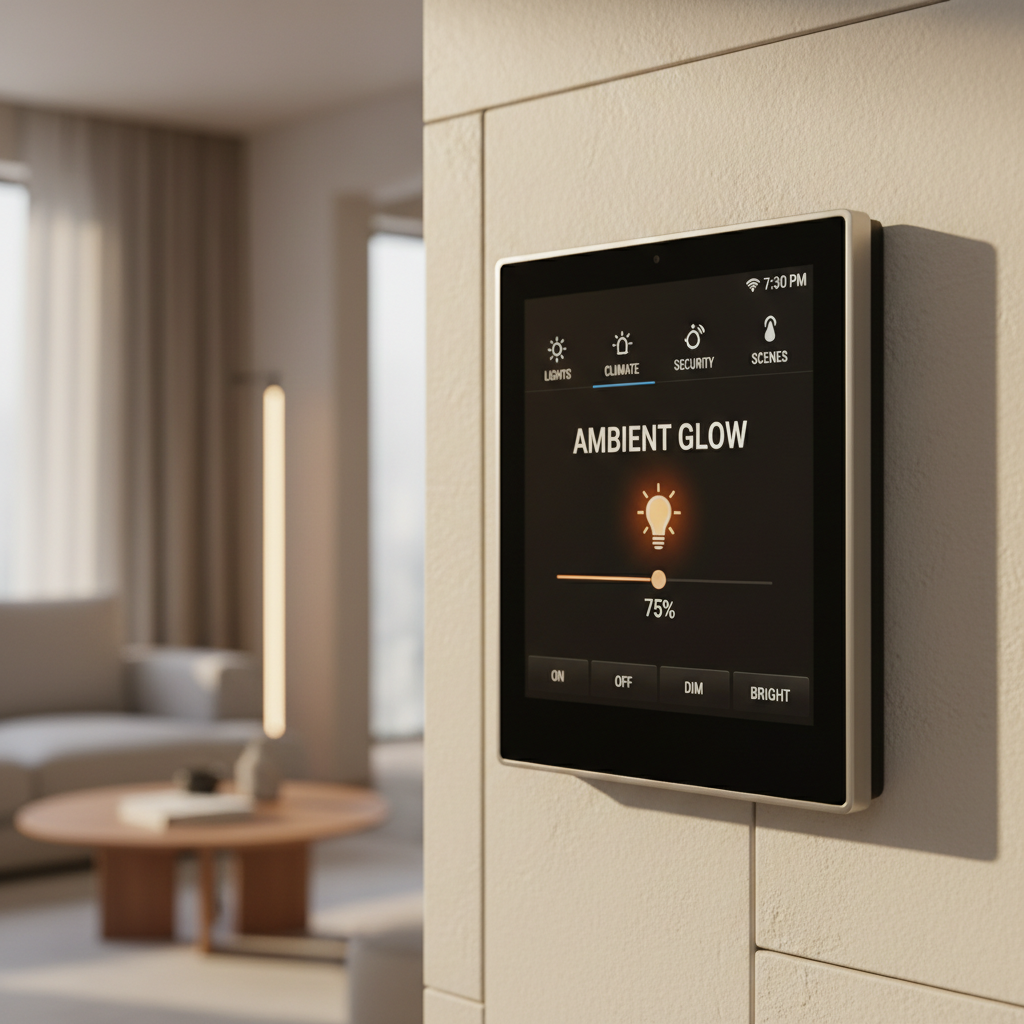
Improving energy efficiency is a key component of sustainable design. This can be achieved by integrating smart home technology, which allows for better control over energy consumption. Installing energy-efficient appliances, LED lighting, and smart thermostats can significantly reduce energy use.
Furthermore, maximizing natural light through strategic window placement and using energy-efficient window treatments can help decrease the reliance on artificial lighting, reducing energy costs and environmental impact.
Water Conservation
In a region like Dubai, where water is a precious resource, incorporating water-saving fixtures is essential. Low-flow faucets, showerheads, and dual-flush toilets can greatly reduce water usage without sacrificing performance.
Additionally, installing a greywater recycling system can further enhance water conservation by reusing water from sinks and showers for irrigation or flushing toilets.
Local and Recycled Products
Supporting local artisans and businesses not only boosts the local economy but also reduces the carbon footprint associated with transporting goods. Choosing locally-sourced furniture and décor made from recycled materials can add unique character to a home while adhering to sustainable practices.
Recycled glass, metal, and textiles can be transformed into beautiful home accessories, offering both style and sustainability.

Biophilic Design
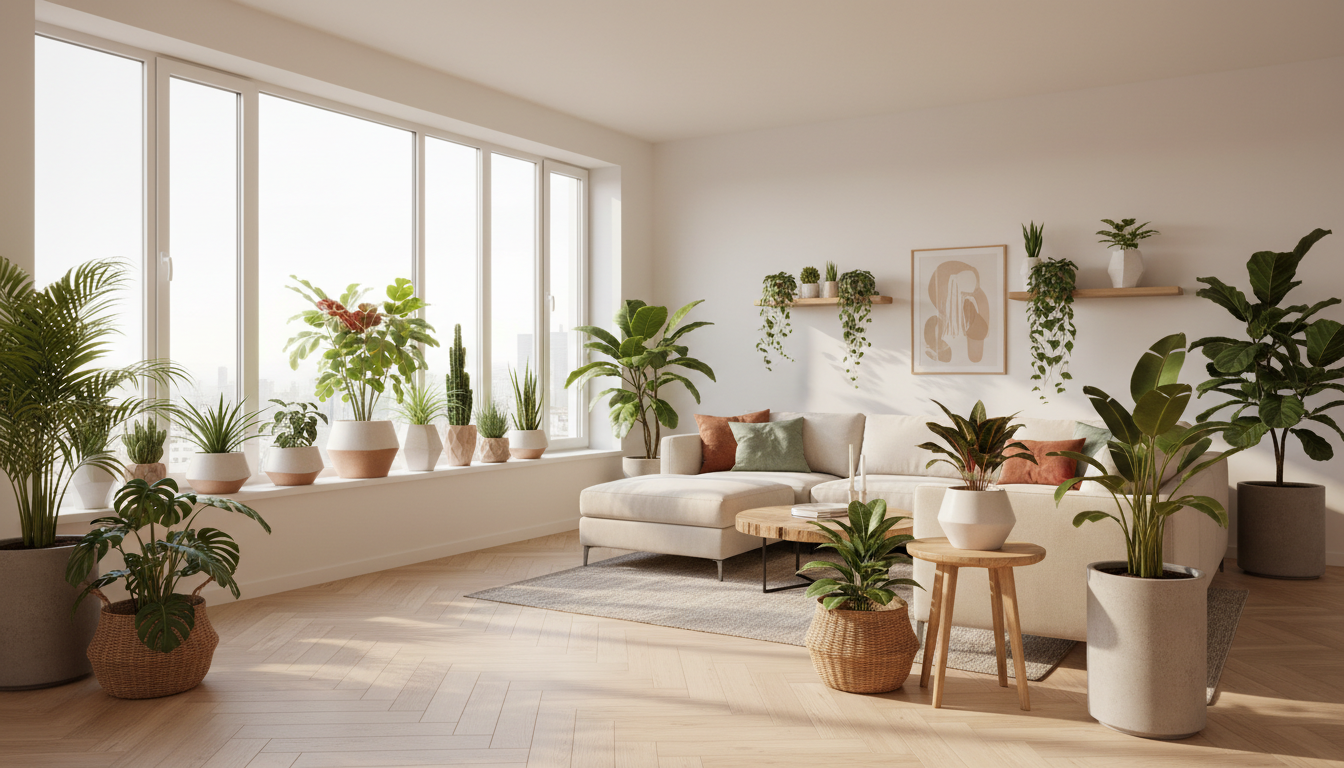
Biophilic design, which incorporates natural elements into indoor spaces, is an excellent way to enhance sustainability. Adding indoor plants, living walls, and natural textures can improve air quality and create a calming, inspired environment.
This approach not only connects inhabitants with nature but also supports mental and physical well-being, making it a vital aspect of sustainable living in urban settings like Dubai.
Conclusion
Embracing sustainable interior design is a rewarding journey that benefits both the environment and the homeowner. By making thoughtful choices, such as selecting eco-friendly materials, enhancing energy and water efficiency, and incorporating natural elements, you can create a luxurious, sustainable home in Dubai.
As the demand for sustainable living grows, so does the availability of innovative products and solutions. By staying informed and making conscious choices, you can design a home that reflects your values and contributes to a more sustainable future.