
How to Incorporate Traditional Arabic Elements into Modern Interiors
MI
Embracing Traditional Arabic Design in Modern Spaces
Incorporating traditional Arabic elements into modern interiors is an exciting way to create a space that's both stylish and culturally rich. This fusion of old and new can result in a stunning and unique environment that reflects a deep appreciation for artistry and heritage. Below are some creative ways to blend these two styles.
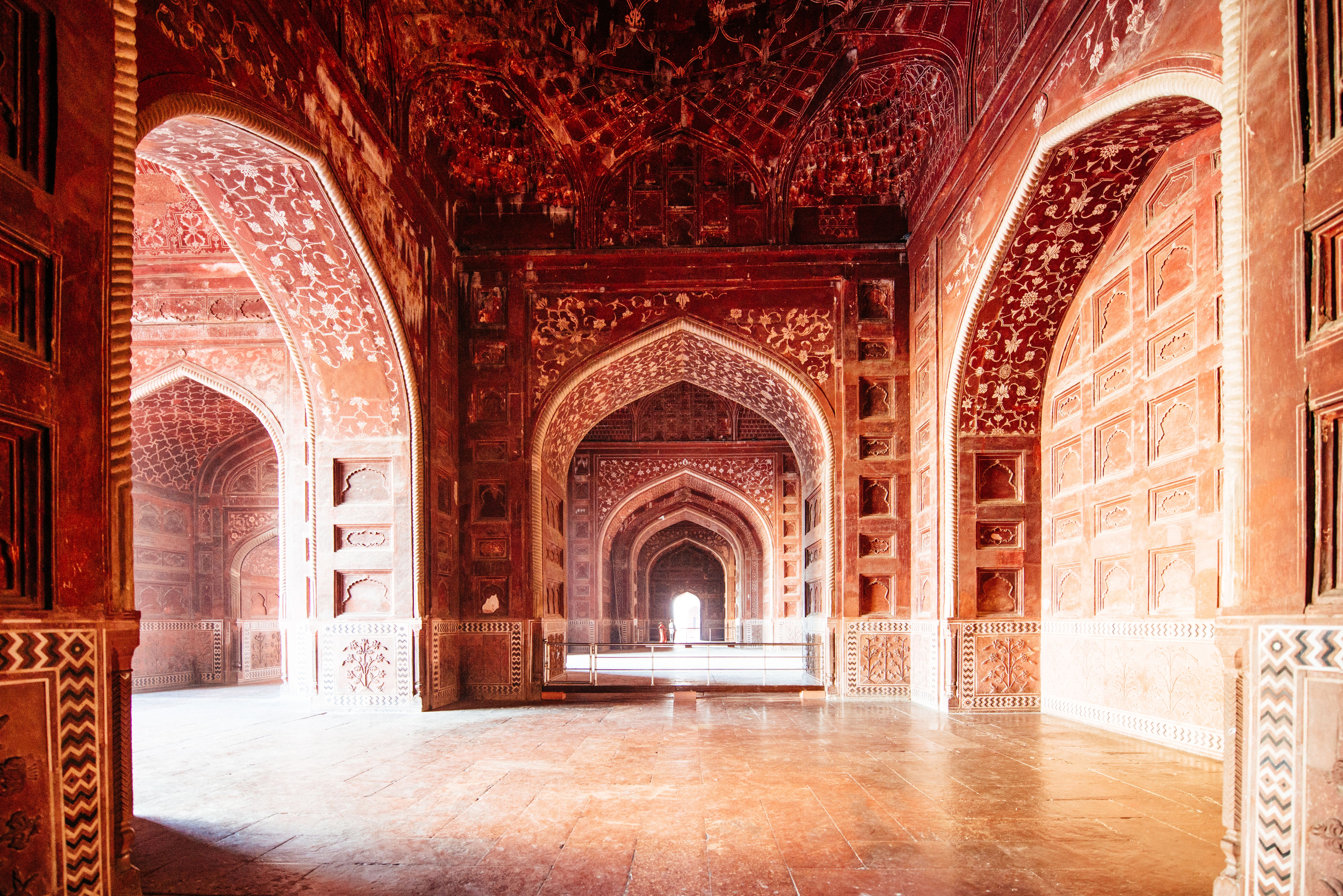
Use of Geometric Patterns
One of the most recognizable aspects of traditional Arabic design is its intricate geometric patterns. These patterns can be seamlessly integrated into modern interiors through textiles, wallpaper, or tile work. Consider using geometric designs in areas like kitchen backsplashes or bathroom floors to add a touch of elegance and complexity.
Additionally, you can incorporate these patterns in subtle ways, such as on throw pillows or area rugs. This allows you to embrace the traditional aesthetic without overwhelming the space, maintaining a balance between the old and the new.
Incorporating Rich Textiles
Arabic interiors often feature luxurious textiles, including silk, velvet, and embroidered fabrics. These materials can enhance the tactile experience of a space, adding warmth and depth. Consider using these textiles for curtains, upholstery, or bedding to create a cozy yet sophisticated environment.

Layering different textures and fabrics is key to achieving an authentic look. Mixing and matching various textiles can add a dynamic and inviting feel to your interior design.
Color Palette and Lighting
The color palette in traditional Arabic design often includes rich, earthy tones like deep reds, golds, and blues. Incorporating these colors into a modern interior can be done through accents such as cushions, artwork, or decorative objects. This adds vibrancy and warmth to the space.
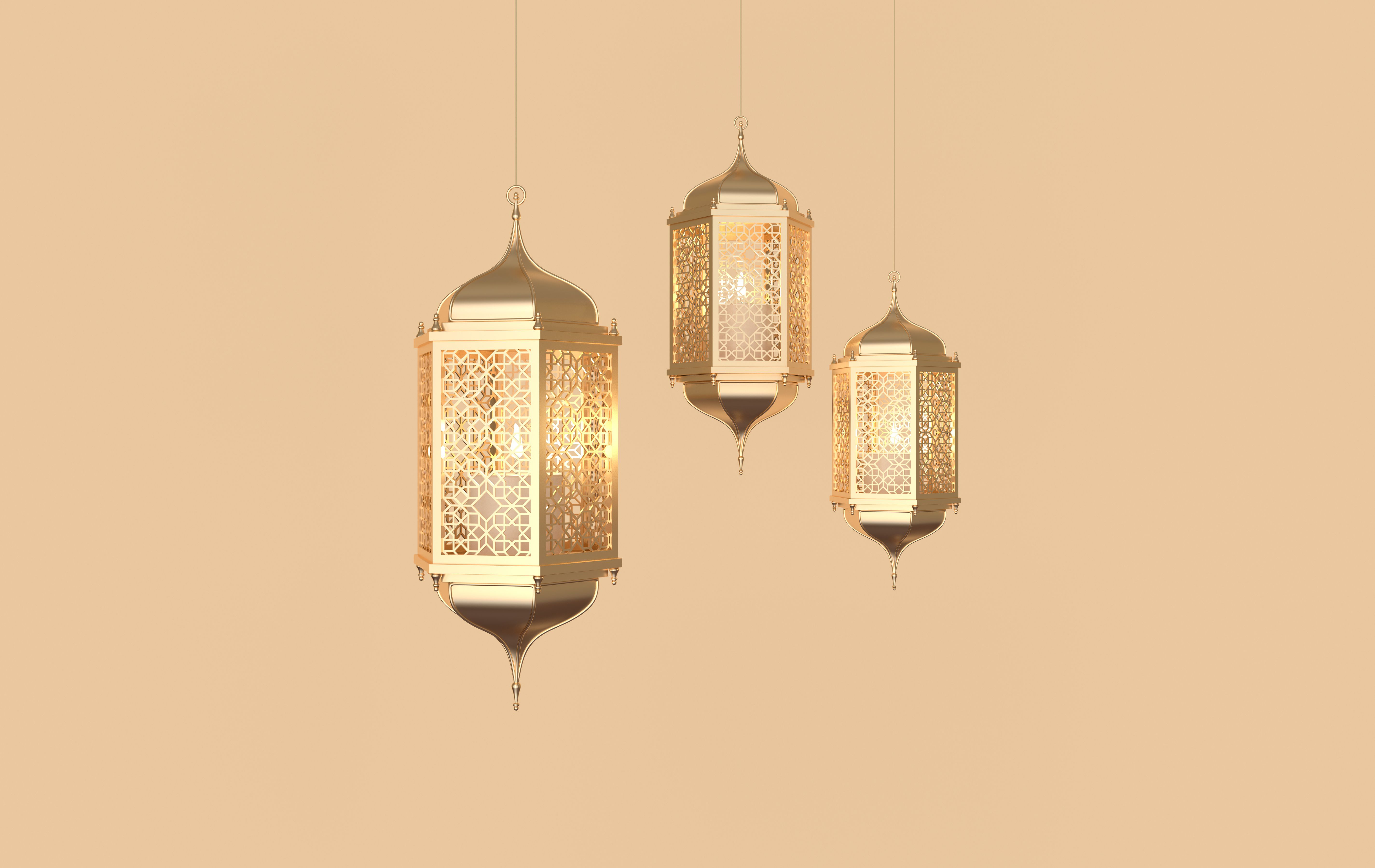
Lighting also plays a crucial role in creating an inviting atmosphere. Consider using ornate lanterns or lamps with intricate metalwork to evoke the essence of Arabic design. These lighting fixtures not only illuminate the space but also serve as artistic centerpieces.
Furniture and Decorative Accents
When selecting furniture, look for pieces that incorporate traditional craftsmanship, such as hand-carved wood or mother-of-pearl inlays. These elements add authenticity and a touch of luxury to the interior.
Decorative accents, such as vases, pottery, and wall art, can further emphasize the Arabic influence. Choose items that showcase traditional motifs or cultural significance, creating a harmonious blend of styles.
Creating a Balanced Space
To successfully integrate traditional Arabic elements into modern interiors, balance is essential. Avoid overcrowding the space with too many ornate pieces. Instead, select a few standout items that complement the modern design, ensuring both styles coexist harmoniously.
By thoughtfully combining these elements, you can create a space that honors tradition while embracing contemporary aesthetics. This approach not only elevates the design but also tells a story of cultural appreciation and innovation.