
Eco-Friendly Interior Design: Sustainable Practices in Dubai
MI
Embracing Eco-Friendly Interior Design
In the bustling city of Dubai, where innovation meets luxury, there is a growing trend towards eco-friendly interior design. This approach not only enhances the aesthetic appeal of spaces but also aligns with sustainable living practices. By incorporating eco-friendly materials and techniques, designers in Dubai are creating interiors that are both beautiful and sustainable.
The Importance of Sustainable Materials
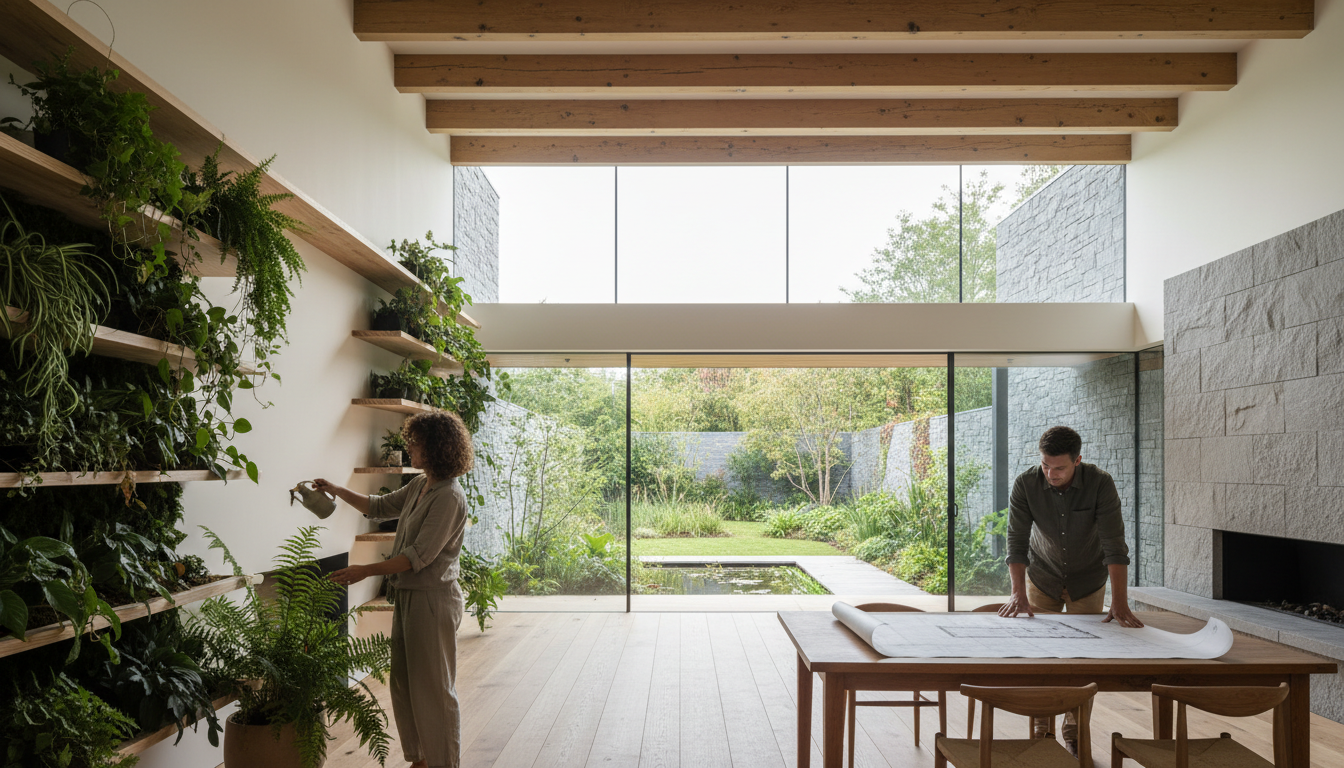
One of the cornerstones of eco-friendly interior design is the use of sustainable materials. These materials are sourced responsibly and have a minimal impact on the environment. Options such as bamboo, reclaimed wood, and recycled metals are becoming increasingly popular. These materials not only reduce environmental impact but also add a unique charm to any space.
Moreover, sustainable materials often have a longer lifespan, which means they need to be replaced less frequently, reducing waste. This approach not only benefits the environment but can also be cost-effective in the long run.
Energy Efficiency in Design
Energy efficiency is another critical aspect of eco-friendly interior design. Designers are increasingly incorporating energy-saving technologies and practices into their projects. This includes the use of LED lighting, energy-efficient appliances, and smart home systems that optimize energy use.
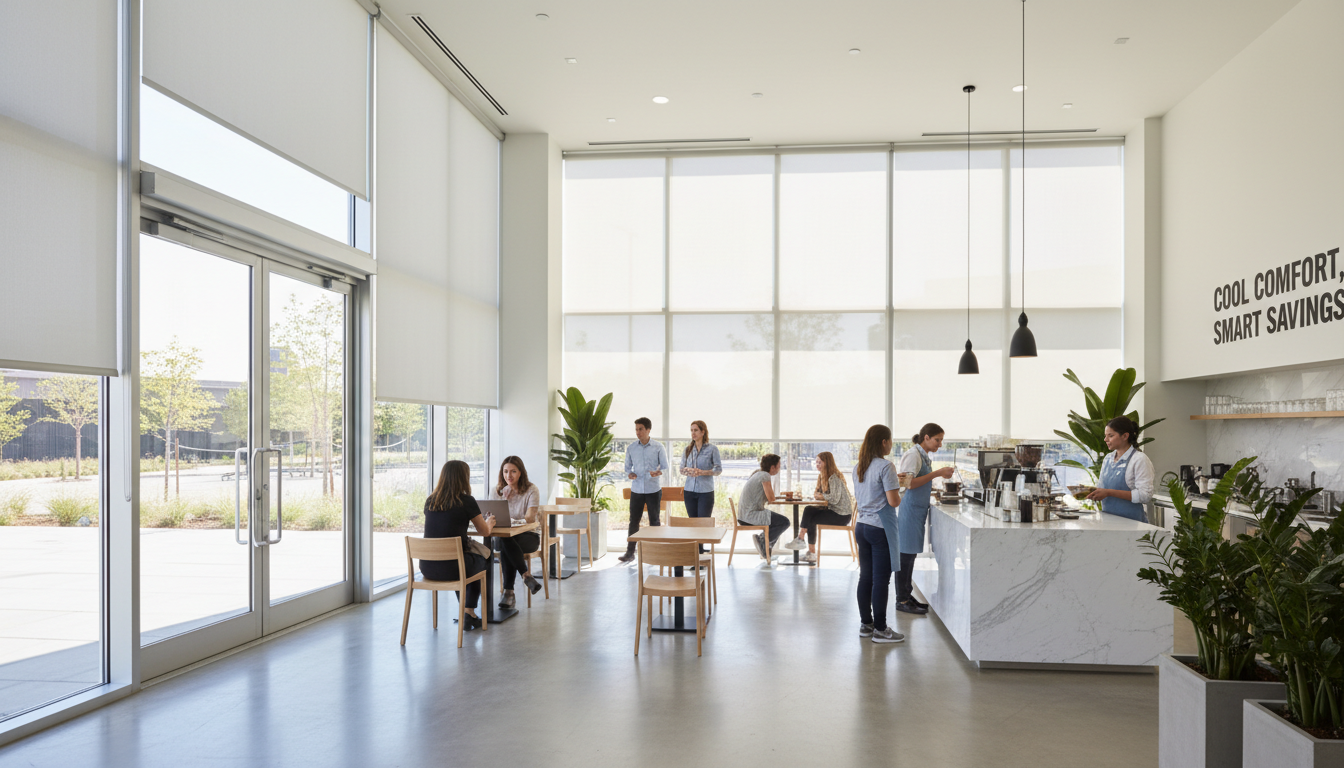
By focusing on energy efficiency, homeowners in Dubai can significantly reduce their carbon footprint while enjoying lower energy bills. It’s a win-win situation that combines style with sustainability.
Indoor Air Quality and Eco-Friendly Practices
Improving indoor air quality is essential for creating a healthy living environment. Eco-friendly interior design prioritizes the use of non-toxic paints, finishes, and materials that emit low or no volatile organic compounds (VOCs). These choices contribute to a healthier indoor atmosphere, reducing the risk of respiratory issues and allergies.
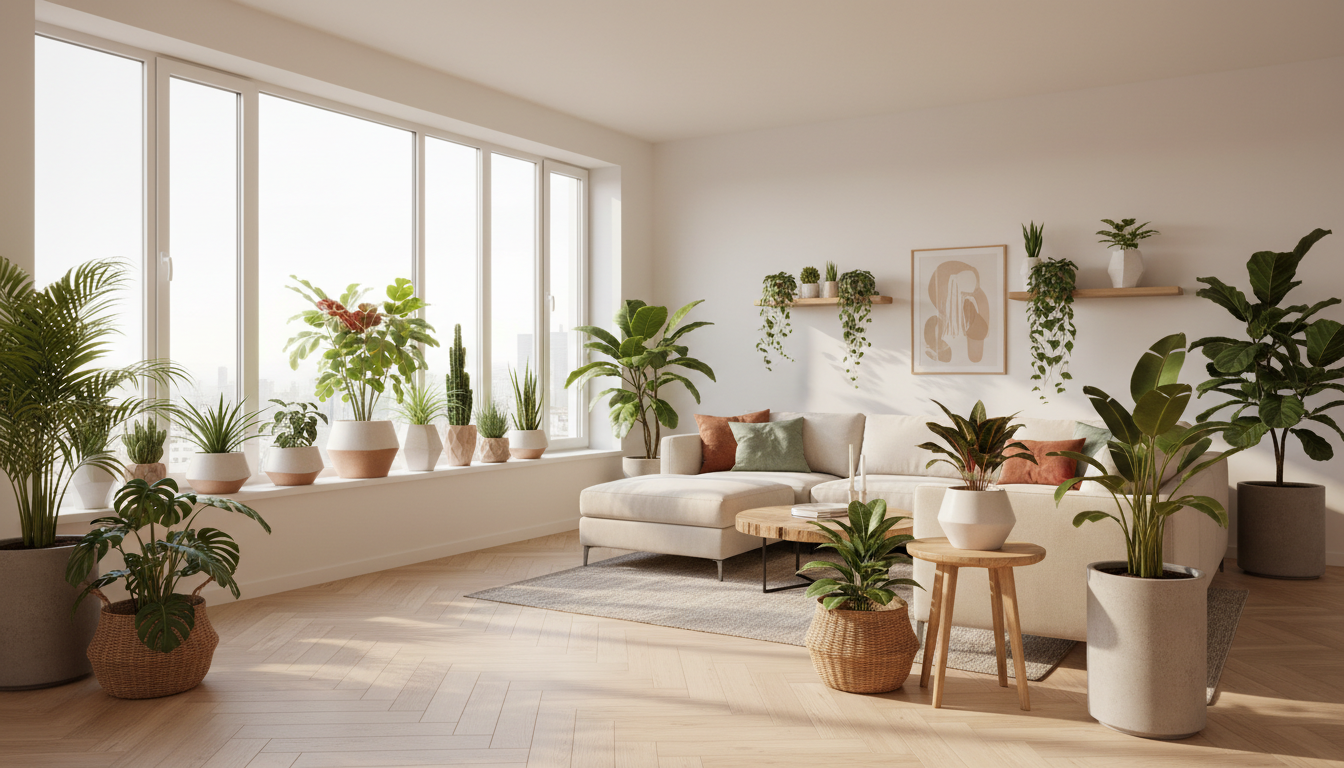
Additionally, integrating plants into interior design not only enhances aesthetics but also helps purify the air. Plants such as peace lilies, snake plants, and spider plants are known for their air-purifying properties and are ideal for Dubai’s interior spaces.
Water Conservation Techniques
Water conservation is a vital component of sustainable interior design, especially in arid regions like Dubai. Designers are incorporating water-saving fixtures and technologies, including low-flow faucets, dual-flush toilets, and rainwater harvesting systems. These innovations help reduce water consumption without sacrificing comfort or convenience.
By implementing these water-saving strategies, residents can contribute to the conservation of precious water resources, aligning with Dubai's broader sustainability goals.
The Role of Technology in Eco-Friendly Design
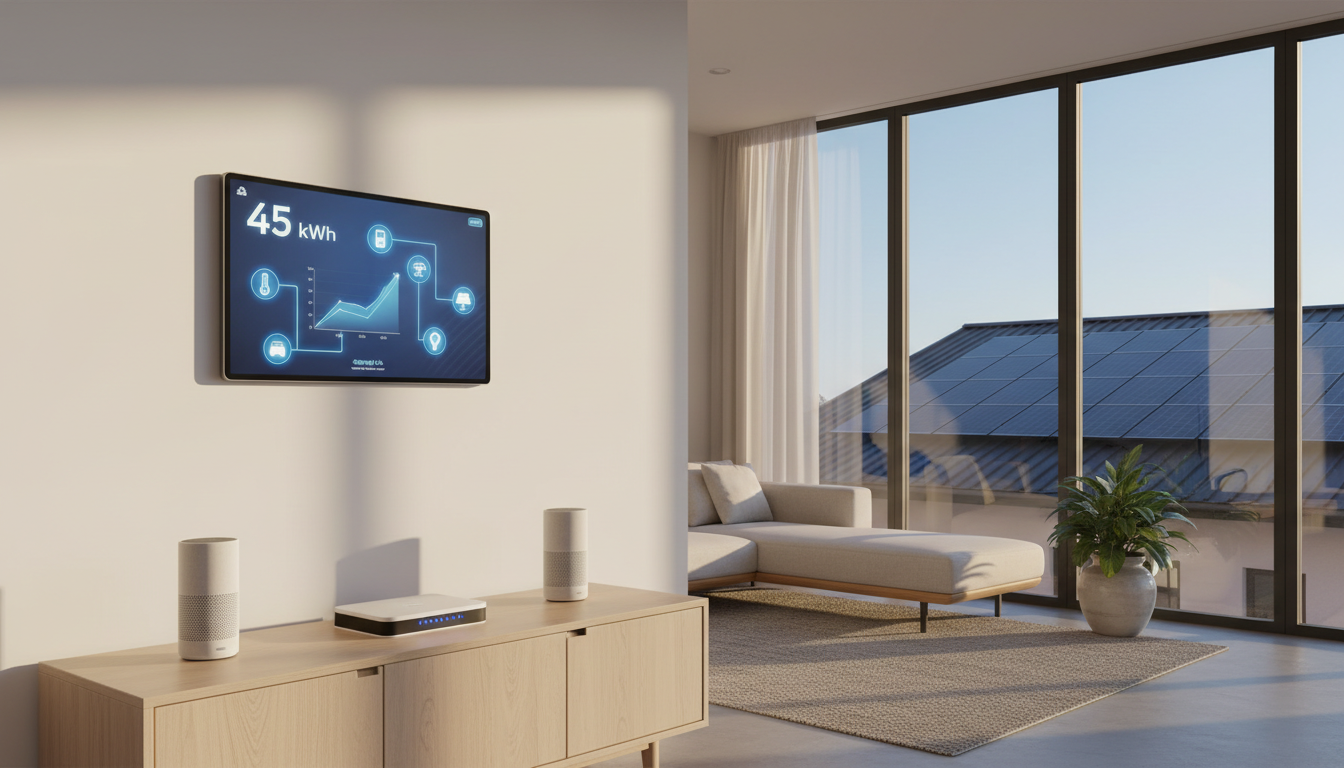
Technology plays a pivotal role in advancing eco-friendly interior design. Smart home systems allow for the automation and optimization of various aspects of a home, from lighting and temperature control to security and entertainment. These systems can be programmed to operate efficiently, reducing energy consumption and enhancing the overall sustainability of the space.
By integrating technology with sustainable practices, Dubai's interior designers are paving the way for the future of eco-friendly living.
In conclusion, eco-friendly interior design in Dubai is more than just a trend; it's a movement towards a more sustainable future. By embracing sustainable materials, energy-efficient technologies, and water conservation techniques, designers are creating spaces that honor both luxury and the environment. As this movement continues to grow, it promises to redefine the landscape of interior design in Dubai and beyond.