
Eco-Friendly Interior Design: Sustainable Choices for Dubai Homes
MI
Understanding Eco-Friendly Interior Design
Eco-friendly interior design focuses on creating spaces that are both aesthetically pleasing and environmentally responsible. In a bustling city like Dubai, where innovation meets tradition, adopting sustainable practices in interior design can significantly reduce your carbon footprint while enhancing your home’s beauty.
By integrating sustainable materials and energy-efficient practices, Dubai homeowners can enjoy stylish interiors without compromising the environment. Whether you're renovating or starting from scratch, eco-friendly choices can make a significant difference.
Sustainable Materials and Their Benefits
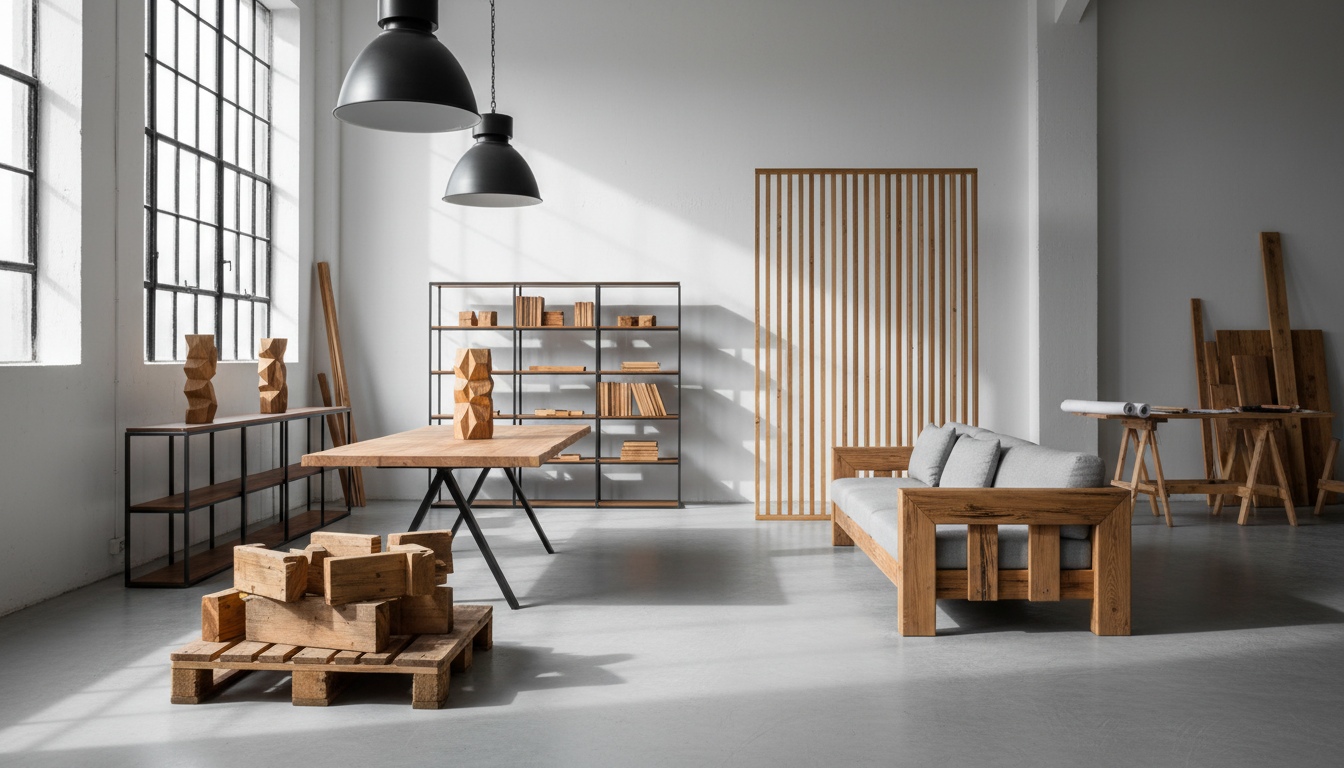
Choosing sustainable materials is a cornerstone of eco-friendly design. Materials like bamboo, reclaimed wood, and recycled metal not only reduce environmental impact but also add unique character to your home. Bamboo, for instance, grows rapidly and is highly durable, making it an excellent alternative to traditional hardwoods.
Additionally, opting for non-toxic paints and finishes can improve indoor air quality. Look for products labeled as low-VOC (volatile organic compounds) to ensure a healthier living environment.
Recycled and Upcycled Furnishings
Incorporating recycled and upcycled furnishings is another way to promote sustainability. Vintage furniture pieces can be reimagined with a fresh coat of eco-friendly paint or reupholstered with organic fabrics, offering both style and sustainability.
Energy Efficiency in Design
Energy efficiency is crucial in reducing a home's ecological footprint. Installing LED lighting and energy-efficient appliances can significantly lower energy consumption. Smart home technology, such as programmable thermostats, allows you to manage energy use effectively.
Additionally, maximizing natural light through strategic window placement can reduce the need for artificial lighting. Consider using sheer curtains or blinds to control sunlight while maintaining privacy.
Water Conservation Techniques
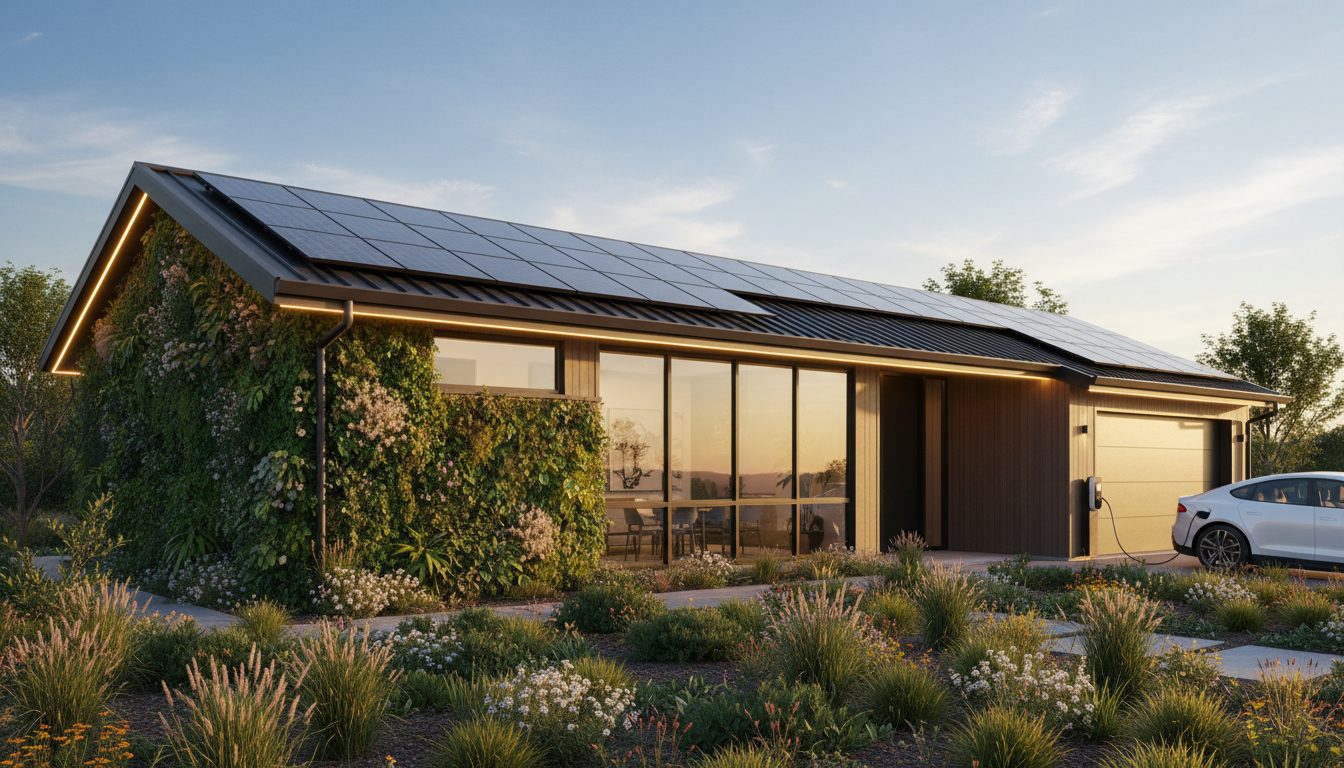
Water conservation is particularly important in arid regions like Dubai. Installing low-flow faucets and dual-flush toilets can drastically reduce water usage. Xeriscaping, or landscaping with drought-resistant plants, is another effective strategy to conserve water while maintaining a beautiful outdoor space.

Bringing Nature Indoors
Integrating natural elements into your interior design can enhance both the aesthetic and environmental quality of your home. Indoor plants not only beautify your space but also improve air quality by absorbing toxins and releasing oxygen.
Consider creating a vertical garden or incorporating biophilic design elements, such as natural wood and stone, to bring a touch of the outdoors inside. These elements can create a calming environment, promoting wellbeing and relaxation.
Community and Local Sourcing
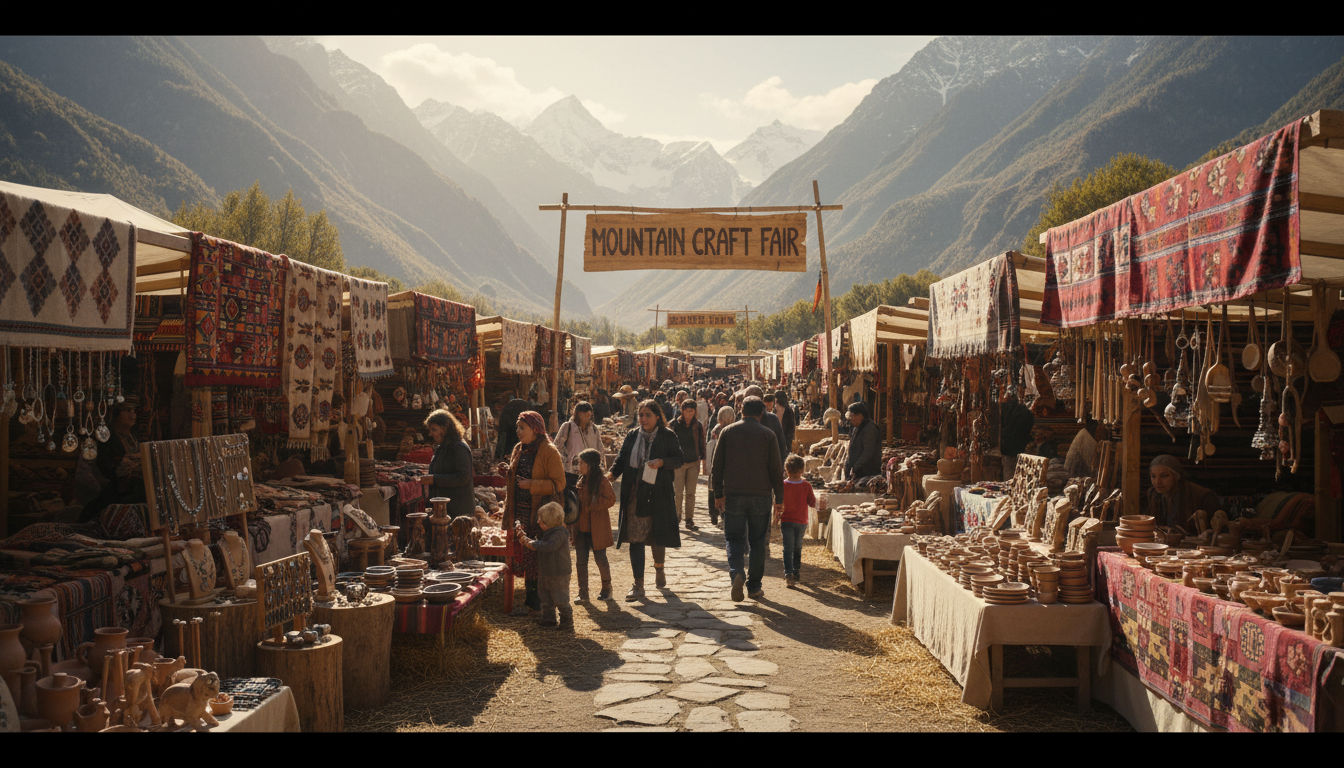
Supporting local artisans and sourcing materials locally can further enhance the sustainability of your interior design. Not only does this reduce transportation emissions, but it also supports the local economy and promotes unique craftsmanship.
Conclusion
Eco-friendly interior design offers a path to creating beautiful, sustainable spaces in Dubai homes. By making conscious choices in materials, energy use, and sourcing, you contribute to a healthier planet while enjoying a stylish and functional living environment.
Embrace the future of design by integrating sustainable practices and inspire others to do the same. Together, we can create homes that are as kind to the environment as they are to our senses.