
A Guide to Choosing Sustainable Interior Materials in Dubai
MI
As the world becomes more environmentally conscious, many homeowners in Dubai are seeking sustainable options for their interior design projects. Choosing eco-friendly materials not only benefits the environment but also enhances the health and well-being of those living in the space. Here's a comprehensive guide to help you make informed decisions when selecting sustainable interior materials in Dubai.

Understanding Sustainable Materials
Sustainable materials are those that have a minimal impact on the environment throughout their lifecycle. This includes sourcing, production, and disposal processes. Opting for materials that are renewable, recyclable, or have a low carbon footprint is essential in creating a sustainable interior.
When considering sustainable options, it's crucial to look for certifications such as FSC (Forest Stewardship Council) for wood products or Cradle to Cradle for various materials. These certifications ensure the materials meet specific environmental and social standards.
Renewable Resources
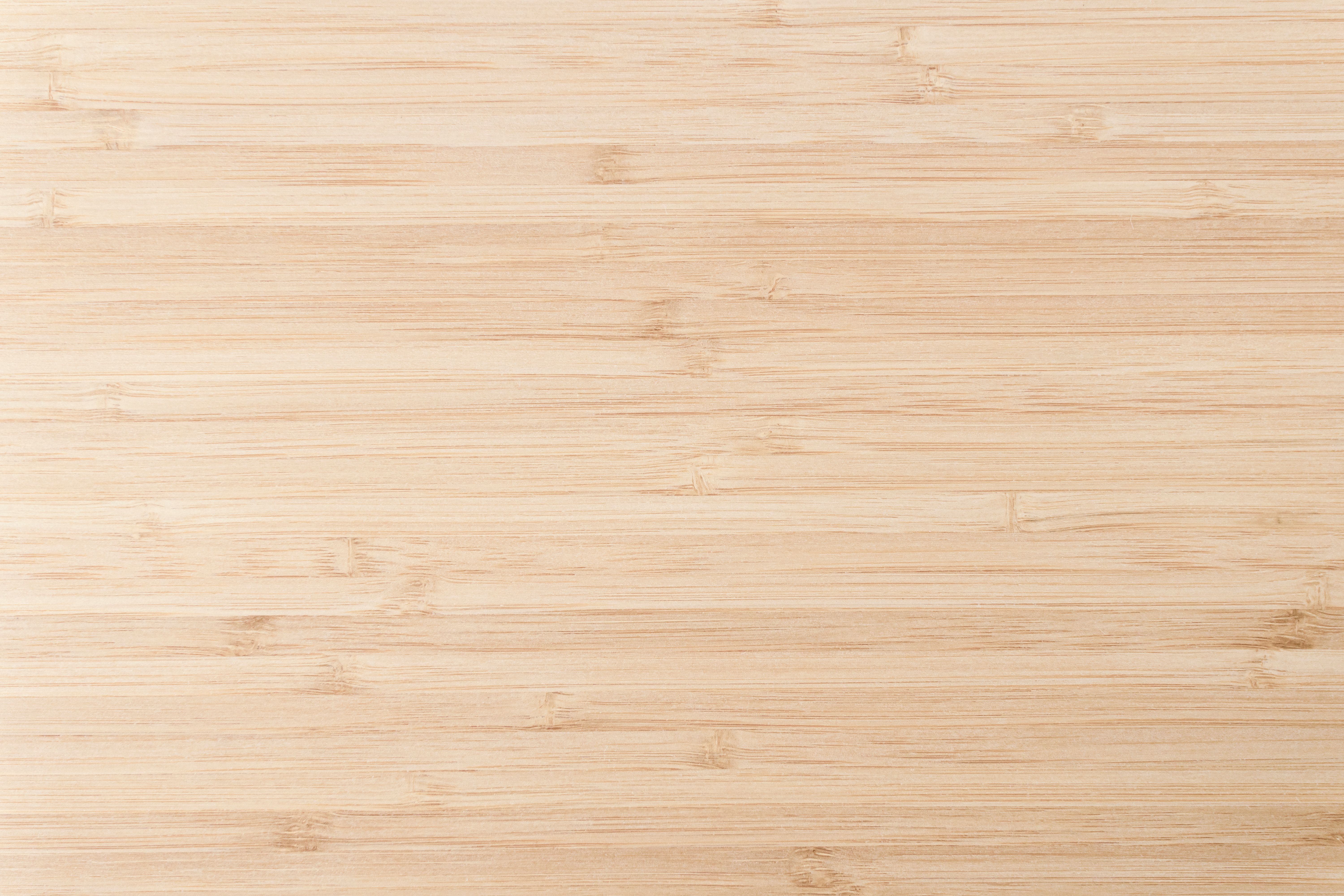
One of the best ways to ensure sustainability is to choose materials made from renewable resources. Bamboo, for instance, is a highly sustainable material due to its rapid growth and minimal need for pesticides. It can be used for flooring, furniture, and even wall coverings.
Cork is another excellent option. Harvested from the bark of cork oak trees, it regenerates naturally, making it a renewable and biodegradable choice. Cork flooring and wall panels are gaining popularity for their aesthetic appeal and environmental benefits.
Recycled and Upcycled Materials
Incorporating recycled and upcycled materials into your interior design can significantly reduce waste and environmental impact. Recycled glass tiles and countertops are not only sustainable but also add a unique visual element to any space.
Upcycling involves repurposing old or discarded items into new, functional pieces. This creative approach can include anything from transforming old wood into stylish furniture to using reclaimed bricks for feature walls.
Low VOC and Non-Toxic Options
Indoor air quality is a significant concern in interior design. Choosing materials with low volatile organic compounds (VOCs) and non-toxic finishes can improve air quality and reduce health risks. Look for paints, adhesives, and sealants labeled as low-VOC or zero-VOC.

Additionally, consider using natural fibers such as wool, cotton, or jute for textiles and rugs. These materials are not only sustainable but also contribute to a healthier indoor environment.
Local Sourcing and Production
Another vital aspect of sustainability is the distance materials travel from their source to your home. Opting for locally sourced materials can significantly reduce carbon emissions associated with transportation.
Dubai has a growing market for locally produced sustainable materials. Supporting local artisans and manufacturers not only benefits the environment but also boosts the local economy.
By considering these factors and making conscious choices, you can create a beautiful, sustainable interior that reflects your values and enhances your living space. Embracing sustainability in interior design not only contributes to a healthier planet but also creates a more harmonious and inviting home.